A high-performance culture doesn’t begin with motivation. It begins with standards.
Most leaders think culture comes from energy. After a big meeting, things feel aligned, but once pressure returns, people fall back into old patterns. Missed deadlines, late meetings, and avoided conversations quietly reset expectations.
Over time, these signals define what really matters.
Why High-Performance Culture Is Built Quietly
Culture doesn’t change during an annual planning session.
It changes on an ordinary Tuesday.
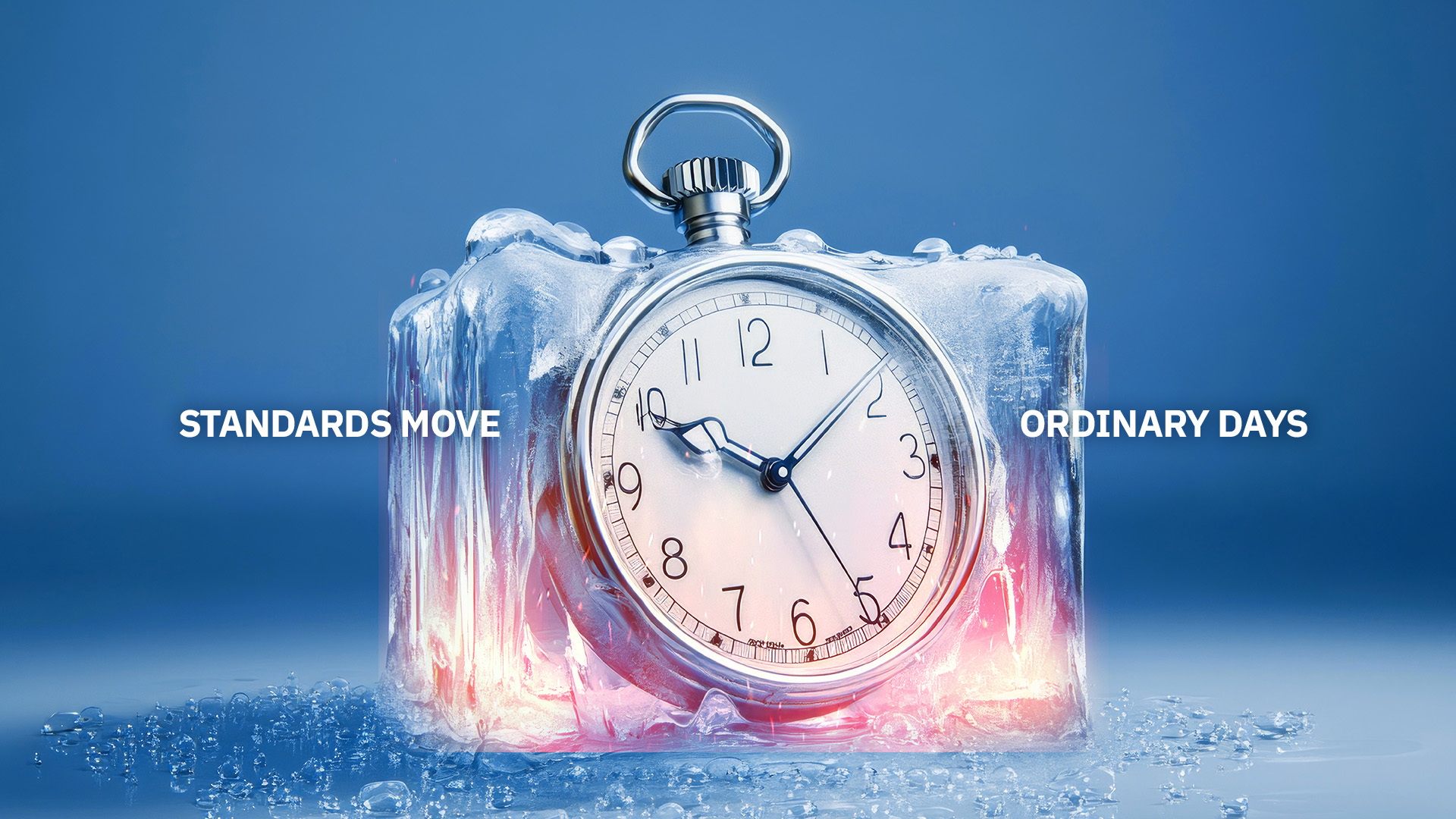
Someone misses a deadline, and nothing happens. A meeting starts ten minutes late, and everyone just waits. A leader avoids a difficult conversation because it’s been a long day, and nobody thinks much of it. But in that moment, the standard just moved.
They seem small, but these are the ones people remember. They quietly answer the question every employee is asking: “What actually matters around here?”
Over time, people stop looking for direction and simply adapt to the environment they’re in. That’s how a high-performance culture is built, or slowly lost.
Here’s how to hold standards when pressure rises
Strong businesses distribute responsibility. But this only works when standards are clear, visible, and consistently upheld.
- Set the standard early: Be clear on what good looks like before work starts, define expectations for deadlines, meetings, and client work, and don’t leave room for guesswork.
- Use pressure as a test: Watch what slips when things get busy, notice where standards drop, and hold the standard instead of lowering it.
- Act immediately: Address issues as they happen, acknowledge good work right away, and correct behaviour on the spot.
- Lead by example: Show the standard, especially under pressure, don’t tolerate shortcuts or excuses, and stay consistent so others follow.
READ: You’re Probably Micromanaging – Here’s Why
Take a Moment to Reflect
Every business has standards. The question is whether they were built intentionally or created by default. A high-performance culture is simply the result of the standards people experience every day.
I’m Roel Mojico, and I’ve helped founders, business owners, and leadership teams build stronger businesses by developing the people behind the performance.
If you want to build a high-performance culture that holds up under pressure instead of depending on motivation, I’ll show you how here.