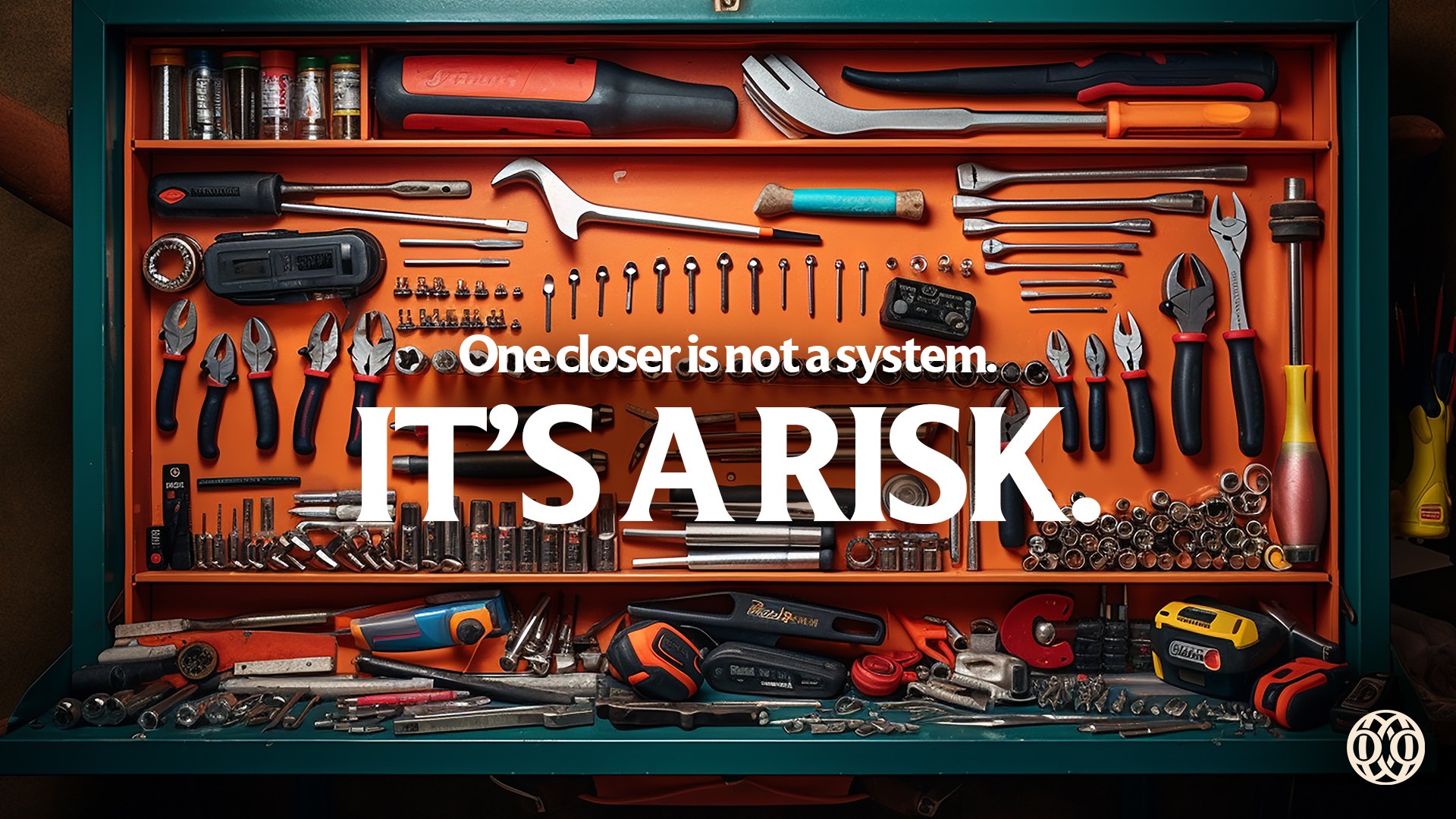
A weak sales system forces founders to keep searching for people who can “save” the business.
So recruitment becomes emotional. One good closer performs well, but leadership mistakes for stability, and then the entire company slows down the second that person leaves. That’s not scale. That’s dependency disguised as growth.
Recruitment Gets Easier When the Sales System Is Clear
Most founders recruit backwards. They look for confidence, experience, and personality before they build structure. Then new hires enter an environment where onboarding changes weekly, managers coach differently, and standards depend on pressure.
Good people struggle inside unclear systems all the time.
A strong sales system removes unnecessary guesswork early. Reps know how conversations are handled, how leadership communicates, what standards matter, and how performance is measured before pressure increases.
That’s why coachability matters more than a flashy CV in most scaling teams.
Most Founders Overvalue Talent and Undervalue Structure
A closer can generate short-term numbers. That doesn’t mean they can help build a scalable team.
Without a repeatable sales system, every strong rep eventually becomes difficult to replace because the business relies too heavily on individual instinct instead of operational consistency.
This is why some teams constantly feel unstable even while revenue grows. The company scales activity before it scales structure.
Strong operators build systems average reps can follow properly under pressure. That creates consistency across the floor instead of isolated high performers carrying the business.
How To Build a Sales System People Can Actually Follow
Most teams don’t need more motivation. They need more clarity.
That usually starts with:
- Recruiting for coachability and behaviour
- Standardising onboarding and training
- Reinforcing the same standards daily
- Teaching sales philosophy alongside scripts
Scripts help reps survive early conversations. The sales system is what helps them perform consistently once pressure increases.
When the structure is clear, leadership spends less time fixing problems manually because the environment starts producing stability naturally.
If Every New Hire Feels Like a Gamble
If performance changes dramatically between reps, managers, or offices, the issue usually sits inside the sales system itself. Strong people still need structure, and chaotic environments eventually drain even experienced performers.
I’m Roel Mojico, and I’ve spent over a decade building and leading successful sales teams across the UK.
If you want to build a sales system that creates consistent performance without relying on one top performer, I’ll show you how here.
You can also explore more insights on sales philosophy and leadership here.